
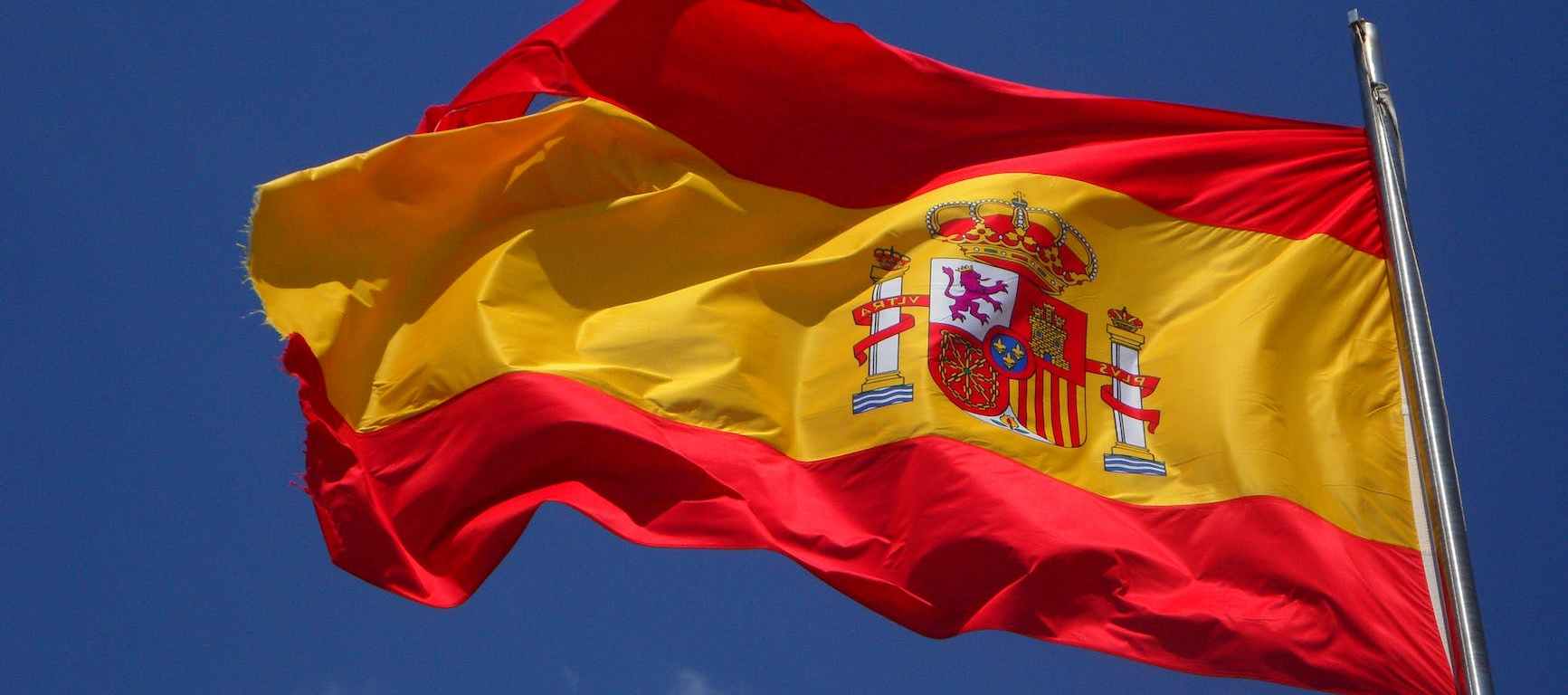
Spain’s economic history has been a tapestry of conquest, exploration, colonization, and change. Over the centuries, the Spanish economy has evolved to take many different forms, from the glory of the Spanish Empire to its weakened state today. In this article, we will take a journey through time and explore the key periods and trends that have shaped Spain’s economic environment.
The Age of Discovery and the Spanish Empire
The beginning of Spain’s modern commercial history commenced in the Age of Discovery, a historical period that took place from the late 15th century to the early 17th century when European nations, including Spain, embarked on explorations to discover new trade routes, territories, and sources of wealth. When Christopher Columbus sailed from the coast of Spain attempting to find a new route to Asia, he instead found himself heading towards the Americas. This discovery led to a wave of exploration and agriculture that would eventually establish the Spanish Empire in Asia, Europe, and the Americas.
Wealth from this ‘New World’ included gold, silver, and precious stones which fuelled the Spanish economy. But these riches acted as a double-edged sword as they led to the “Price Revolution”; income quickly exceeded the increase in goods and services, causing major inflation which debilitated the Spanish economy. Over the next 150 years, prices continued to surge to around six times their previous levels.
The Fall of the Spanish Empire
The 17th century marked the beginning of the collapse of the Spanish Empire. Constant wars and conflicts in Europe, combined with the high costs of maintaining a large empire, drained Spain’s resources. Nevertheless, the Spanish Empire retained a strict focus on maintaining their colonies in hopes of earning revenue from them. However, prioritising this over economic diversification ultimately backfired.
By the 18th century, Spain lost much of its political and economic power on an international level. The War of Spanish Succession and the Treaty of Utrecht in 1713 further weakened Spain by ceding territory to other European powers. These territories included handing over the Spanish Netherlands (now Belgium), Naples, and Milan to the Austrian Habsburgs, Sicily and Sardinia to the Duchy of Savoy, as well as Gibraltar and Minorca to the British. A powerful nation and its empire thus became a shadow of its former self.
The Industrial Revolution and Economic Modernization
The 19th century brought major changes to Spain’s economic environment. Although the Industrial Revolution had already transformed much of Europe, Spain was slow to industrialize. Spain’s economic model remained primarily agrarian i.e. the majority of the population was involved in the cultivation of land.
During the industrialization of Spain in the 19th century, there was substantial expansion and construction. For example, the railway network saw remarkable growth, from just 581 kilometres in 1856 to over 15,000 kilometres in 1913. This boosted key industries, including mining and textile manufacturing, with Catalunya becoming a major textile centre.
However, the benefits of industrialization were not distributed equally. Regions such as Catalunya and El País Vasco prospered economically and were given a large portion of this infrastructure investment. In contrast, rural areas such as Extremadura lagged behind and remained both economically and socially underdeveloped.
These regional differences persist in Spain today; northern regions generally enjoy higher income levels and better infrastructure than southern regions. This regional divide is much akin to the North-South divide in the UK and presents a persistent challenge for Spanish policymakers to this day.
The Spanish Civil War and Dictatorship
During the 20th century the Spanish economy was in crisis. The Spanish Civil War (1936-1939) and the subsequent dictatorship of Francisco Franco devastated the country, leaving both its infrastructure and labour force shattered.
Franco’s government sought economic autarky, intending to achieve self-sufficiency to reduce dependence on imports. This form of protectionism is similar to what the United States employed in the 19th century, and policies such as quotas and tariffs were employed.
However, while this approach achieved some success in its fleeting stages, it isolated Spain from the international market and slowed Spain’s economic growth. For example, the value of exports accounted for less than 4% of GDP in the early 1950s. This economic isolation hindered technological advancement and industrial diversification, and forced the economy to maintain heavy reliance on traditional sectors, notably agriculture. Its economic woes were also reflected by its significant foreign debt, which amounted to US$12 billion by the middle of the 1970s.
Spain’s return to democracy and economic reform
The death of Francisco Franco in 1975 initiated Spain’s economic reform. The country became a democracy and began to open its economy to international trade and investment. This period is known as the Spanish Transition and marked a significant turning point in Spain’s economic history.
Spain joined the European Economic Community (EEC) in 1986, where it gained access to a large market and foreign investment. The country’s economic transformation was accelerated by legislative reforms, privatization of state-owned enterprises, and modernization of various industries.
Challenges of the 21st century and the future
During the 2000s, Spain witnessed a profound economic transformation driven mainly by a booming real estate market, a building frenzy, and an influx of tourists drawn to the sunny shores of the Mediterranean. This rapid expansion led to an abundance of job opportunities and increased overall prosperity among its people.
However, this apparent economic success was built on fragile foundations. The global financial crisis of 2008 exposed Spain’s economic vulnerability as the real estate bubble burst, causing property prices to plummet nationwide and the construction industry to collapse. This chain reaction triggered a major recession, which led to a sharp increase in the unemployment rate and a severe financial crisis that engulfed the nation.
In response to this crisis, Spain implemented a series of significant reforms to recover from the economic turmoil. These included a comprehensive overhaul of the labour market, focusing on enhancing flexibility and competitiveness. Concurrently, the government launched financial consolidation efforts to stabilise the banking sector and restore investor confidence. By 2010, the Spanish economy began to show signs of recovery, characterised by sustained growth and a gradual reduction in the previous alarming levels of unemployment.
Conclusion
Spain’s economic journey has not been a straight path, but throughout the centuries, it has demonstrated adaptability and a resilience to bounce back from financial crises. As Spain continues to confront the complexities of the global economy, its rich history is a testament to its endurance and capacity for reform.
 etonomics.com