
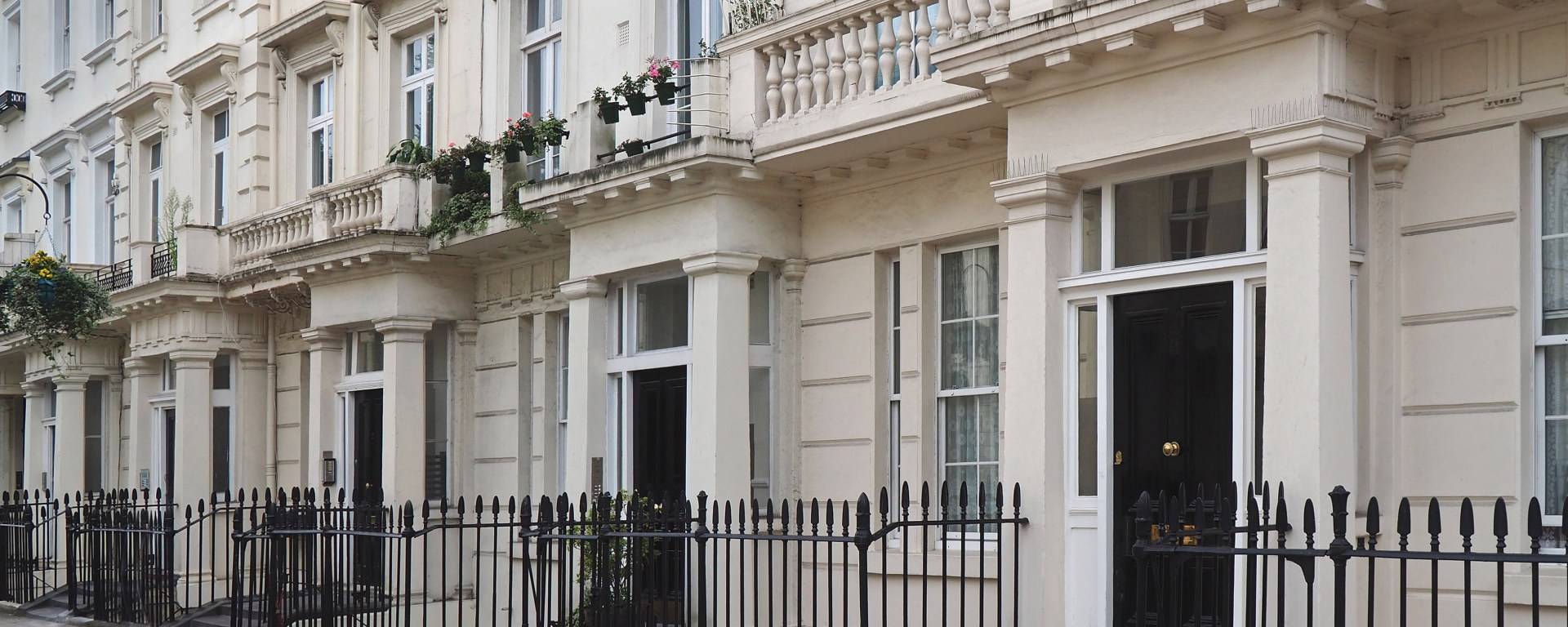
London, a city celebrated for its rich history, vibrant culture, and world-class attractions, also faces a stark reality: a housing crisis. Property prices have skyrocketed 454% since 1996, far outpacing average salary growth of just 109%; London is now also the 4th most expensive city for expats. Homeownership, once a cornerstone of British identity, is now out of reach for most young Londoners. Only the top 55% of earners can afford to buy, creating an ever – growing imbalance. This situation raises concerns for both the government and property investors who have concentrated their holdings in the wealthiest areas, effectively pushing young buyers towards renting. This substantial shift begs the question: what factors are forcing young people to rent, and why has homeownership become such a distant dream?
Why would Londoners rent?
The first reason why nearly half of Londoners rent, is due to the extreme affordability crisis, when paired with the small salary growth. The average salary in London is around £42,000, and the average property price in London is around £735,000. If a 20% down payment on a property was assumed, it would cost £147,000 to purchase. In order to save for a £147,000-down payment, someone earning the average salary would need to save around £3,700 per month for more than 3 years. This is an absurd amount and when coupled with the cost-of-living crisis, it is no mystery that buying seems impossible. Even if you had enough money to start paying a mortgage, you would first need to pass the mortgage security checks, which have gotten stricter and stricter every single year. This is due to the fact that mortgage companies are no longer required to obey government legislations, and now have their own individual criteria. One of the most common examples is that your maximum debt to income ratio (DTI) must be 4:5:1; meaning your total monthly debt payments, including the mortgage payment, cannot exceed 4.5 times your gross monthly income.
What are the issues with renting?
On top of the already daunting task of affording rent in London, competition for properties is fierce. It’s common to encounter queues of potential tenants when viewing homes. Not only are there 25 people for every available dwelling, but four in ten renters are paying 1200 GBP above the listed value for their home. Renters in London, on average pay an astronomical 78% of their monthly income to rent, without ensuring suitable living conditions or locations. Two in five Londoners live in unfit homes that have suffered from damp or mould in the last year, and one in five children live in inadequate conditions; a further 11% of London households live in poor conditions due to a lack of bedrooms for occupants. The government have not addressed this formally yet and have not followed the directions of other successful countries in Europe, where a cap on rent increases has been put in place. For example in Denmark, rents can’t be raised above 4% of their original price in a year. With rent prices having soared 31% since 2021, it is no surprise that the citizens of London are deciding to pack their bags and move elsewhere.

This highlights the dramatic increase in rents; with a particular focus on the contrast between London and the rest of the country, while still emphasizing the astounding increase nation – wide. This also provides evidence of why the trend of ‘buy – to let’ is so profitable.
Why would Londoners want to buy if renting is flexible and lower maintenance?
With excellent career prospects, and the clear opportunity to earn high salaries, it is clear to see why nearly 10 million people choose to live here. London property is stable investment; being viewed as ‘one of the most lucrative property locations in Europe’. However, for the benefit of the consumers, rather than investors, in the past year house prices have dropped 1.1%, the first decline in 3 years. While there is no doubt that buying property is extremely difficult, prices are starting to come down, with one in four sellers across London and the South East accepting 9.5% off their asking price, on average, in order to accept a sale. Above all, owning a home provides security and stability that renting does not; with 300 renters in London facing ‘no fault’ evictions per week. Adhering to the section 21 notice; landlords are allowed to evict tenants with two months notice without providing a reason, and at no fault of the renter.

This graph exhibits the proven growth of prices of London Property; in particular highlighting the strength + reliability of the investment, and how it compares with other ‘reliable’ investments such as Gold and the popular index the ‘S&P 500’.
The future of the London Property Market:
The future holds many shifts in the costs of buying and renting. In terms of buying a home, it is predicted that the average London property could see a 10% drop in price, while conversely, rents are expected to rise by around 6%. While the potential decrease in pricing presents a buying opportunity, factors such as rising mortgage rates; currently at a 5–year high of 4.75%, seemingly counteract this ‘discount’. These factors will likely impact different demographics in different ways. First-time buyers might find it easier to enter the market due to lower prices, but rising interest rates could still pose a challenge. Meanwhile, families priced out of certain areas due to the 6% rent increase might explore shared ownership schemes, where buyers typically purchase a 25%-50% share of a property and pay rent on the remaining portion. What must be said, however, is that the London Property Market is unpredictable, and it will continue to change forever.
 etonomics.com