“Right to buy” Evolution or Revolution

In August 1980 during Margaret Thatcher’s first year in office, her government produced a Housing Act. Despite its lengthy and repetitive nature, its bold intention stood out: “to give … the right to buy their homes … to tenants of local authorities”.  It proposed the idea that previously state-owned houses be sold back to the people. These homes were offered at 33% below their market value, … Continue reading “Right to buy” Evolution or Revolution

Do ethical companies deserve excess profits?

The Roman writer Publilius Syrus once wrote that “Everything is worth what its purchaser will pay for it”. This encapsulates the businessman’s mindset on a free market, as producers seek to market their product at the highest price consumers are willing to pay. On the other end of the transaction, the concept of homo economicus teaches us that the consumer always aims to maximise utility from a purchase … Continue reading Do ethical companies deserve excess profits?

Analysing the Economic Impacts of the Israel-Palestine Conflict

On the 7th October 2023, an ongoing armed conflict between Israel and Hamas escalated significantly as a result of a ferocious and unprecedented attack on Israel. For historical context, this is not the first conflict that has arisen between these two groups: since 1948 there has been unrest within the region. The cyclical nature of this conflict poses a great threat to the economies of both … Continue reading Analysing the Economic Impacts of the Israel-Palestine Conflict

Green Bonds: Financing a Sustainable Future

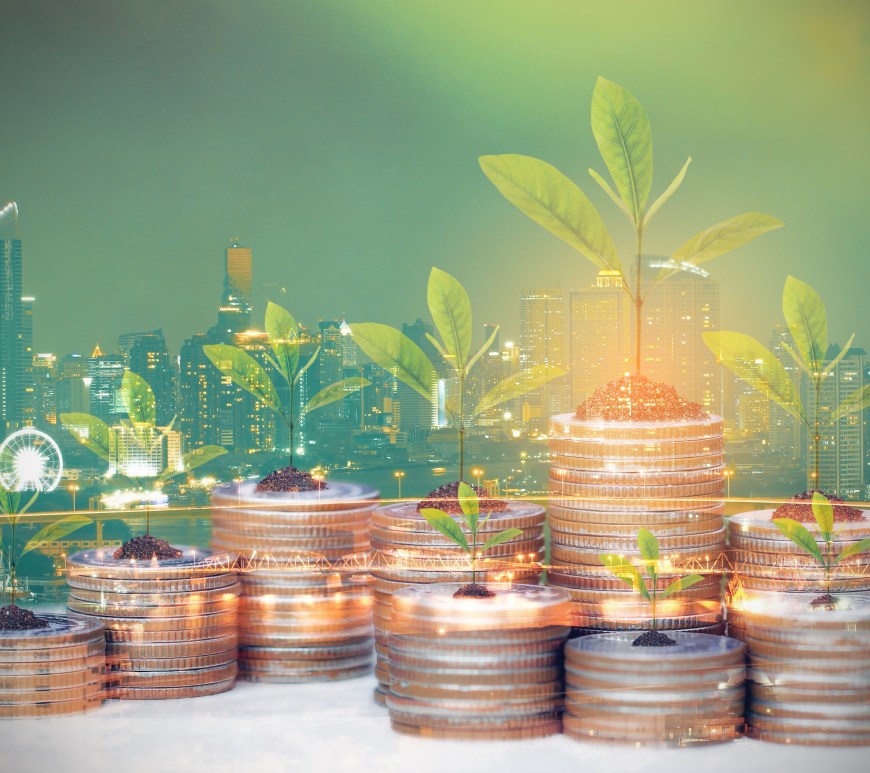
In a world increasingly concerned with environmental sustainability and the impact of climate change, innovative financial instruments (a monetary contract which can be traded e.g. a stock, bond, derivative) have recently emerged as effective tools to fund projects and initiatives aimed at mitigating environmental damage. Of these instruments, green bonds, have gained prominence as a means to raise capital for projects with positive environmental benefits. … Continue reading Green Bonds: Financing a Sustainable Future

African Economies : How have oil and corruption affected Nigeria’s economy?

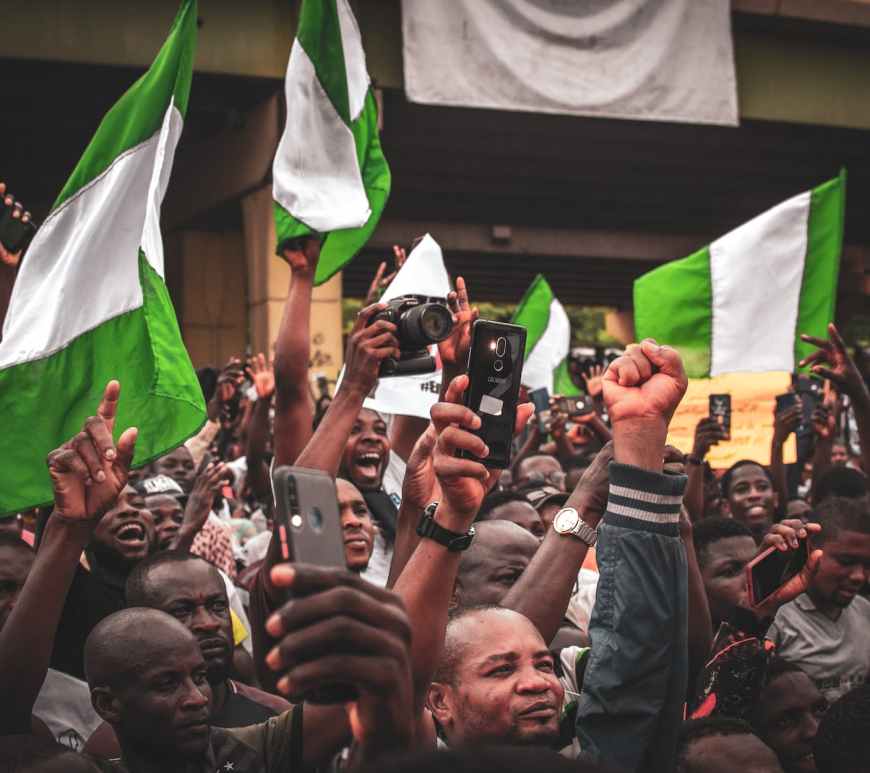
Nigeria is one of Africa’s most influential nations and holds significant power both economically and geopolitically. With a population of approximately 225 million people, it’s not only the most populated country in Africa but also has the continent’s largest economy. In 2022, Nigeria’s GDP reached an impressive $477.39 billion. Meanwhile, the country has been grappling with pressing challenges of poverty, crime, corruption, and overreliance on … Continue reading African Economies : How have oil and corruption affected Nigeria’s economy?

African Economies :  Zimbabwe’s Journey from a 100 Trillion Dollar Bill to Economic Recovery

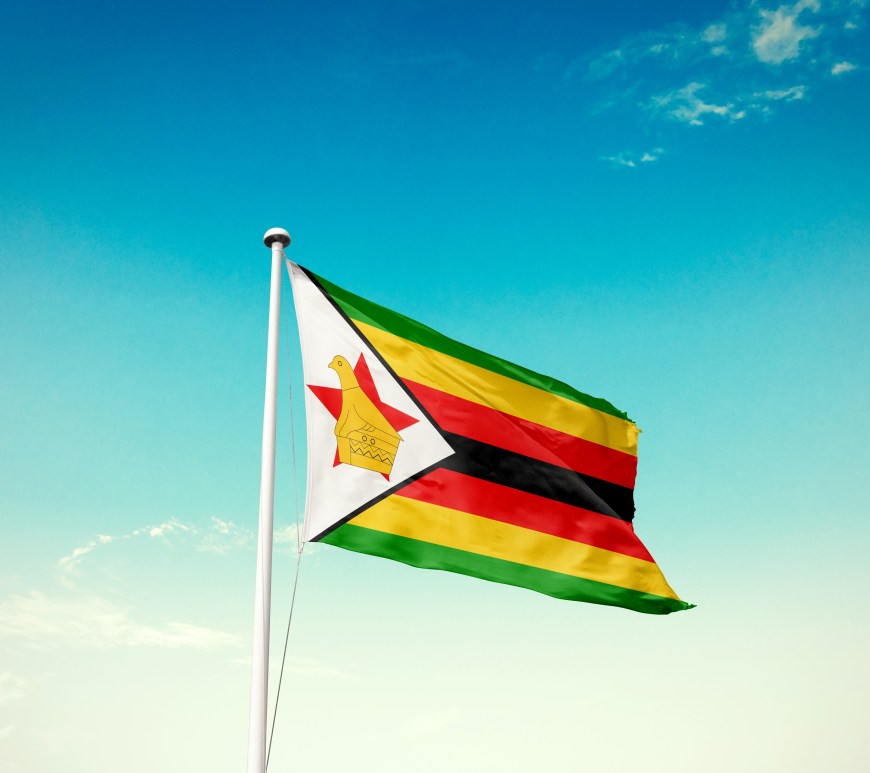
Zimbabwe has captured global attention due to its serious economic struggles. Pre-independence, Zimbabwe’s economy relied heavily on agriculture and the stable Rhodesian Dollar. However, post-independence, it has encountered the challenges of hyperinflation, land reform, and political instability. These difficulties have had a long-lasting impact on Zimbabwe’s economy, making it difficult for locals to trust the local currency, and has piqued the interest of the global … Continue reading African Economies :  Zimbabwe’s Journey from a 100 Trillion Dollar Bill to Economic Recovery