
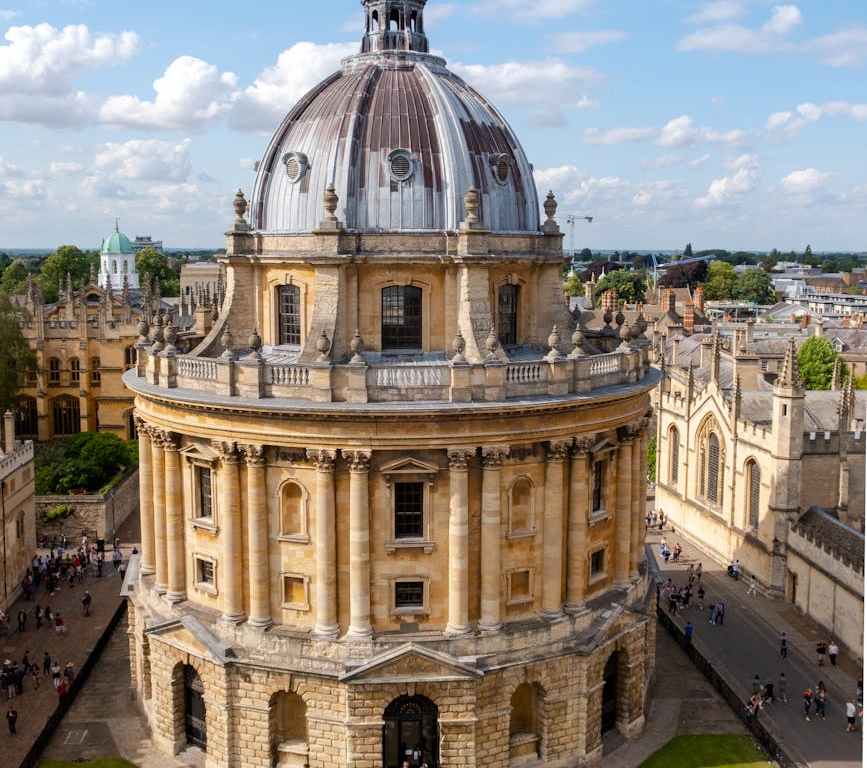
Higher education refers to learning at universities or similar institutions, typically leading to a degree. It has long been a key driver of economic growth, offering individuals higher wages and better job security due to their higher perceived worth. However, with tuition fees rising and student debt reaching record levels, concerns are growing about whether a degree is still worth the cost.
In the United States, student loan debt now exceeds $1.7 trillion, while in the UK, the average graduate owes over £45,000. These financial burdens raise important economic questions; is higher education still a good investment? Does the system create more inequality than opportunity? How can governments address the issues higher education creates?
This article discusses the economics of higher education in terms of its benefits, rising costs, and long-term individual and third-party impacts.
The Economic Benefits of Higher Education:
A university degree is often seen as an investment in human capital, increasing an individual’s productivity and earning potential and, therefore, determining a firm’s willingness to employ them and their bargaining power. In the UK, degree holders earn £10,000 more per year than those without a degree (ONS 2024). In the US, the wage gap is even larger, with graduates earning 75% more than those with only a high school certification.
Higher education also has positive externalities and benefits that are advantageous to the third party. More educated societies tend to have higher productivity (and therefore output), lower crime rates, and thus greater welfare. This justifies the government’s funding of higher education facilities in many countries, as a well-educated workforce supports long-term economic growth and welfare improvements.
The extent of these benefits varies as the rate of return on a degree depends on the field of study. STEM and business degrees generally offer higher wages, while arts and humanities degrees tend to have lower financial returns. This creates labour market inefficiencies where some graduates struggle to find well-paying jobs despite their qualifications.
Rising Costs and Student Debt:
Despite its benefits, higher education is becoming increasingly expensive. In the UK, tuition fees tripled in 2012 following government policy changes, reaching £9,250 per year. In the US, tuition has risen by 180% in real terms (adjusted for inflation) since 1980. These rising costs have led to an increased reliance on student loans to fund higher education which creates vast amounts of student debt for millions.
For many graduates, debt repayments significantly impact financial stability and the economy and are very dependent on the current interest rates. Firstly, they have a lower disposable income due to the high loan repayments reducing spending and limiting the economy’s economic growth. Secondly, high levels of debt result in delayed homeownership. In the US, student debt delays home purchases by an average of seven years, causing citizens with high levels of debt to struggle to accumulate wealth through assets. Finally, worsening inequality occurs as wealthier students can avoid debt, while lower-income students take on large loans and financial insecurity, reinforcing existing wealth gaps.
In the UK, the student loan repayment period was recently extended to 40 years, meaning many graduates will still be paying off their loans well into their 60s. This further raises concerns about the long-term affordability of higher education.
Labour Market Issues: Overqualification, Degree Inflation, and Structural Unemployment:
While a degree still provides a wage premium, it no longer guarantees financial success. A growing concern is the falling value of a degree. While it still provides a wage premium, it no longer guarantees financial success. As more degrees are given out, their value declines resulting in many jobs that previously required only A-levels or equivalent qualifications now requiring a university degree. This ends up forcing young people into higher education and debt even when the financial returns may not justify it.
Additionally, automation and AI are reshaping the job market. Some economists argue that technological change benefits high-skilled workers, while others suggest that automation is now replacing even traditionally secure white-collar, managerial jobs. This uncertainty raises questions about whether today’s graduates will see the same long-term wage benefits and employment opportunities as previous generations due to rising structural unemployment pressures.
Addressing the Higher Education Crisis :
Governments and policymakers are considering various solutions to improve access to education while reducing their financial burdens.
1. Tuition-Free University
Countries like Germany and Norway offer free university education, arguing that higher education should be a public good. However, this model requires significant taxpayer funding and will inevitably result in an increase of government debt. This solution also risks oversupplying graduates in fields with low economic demand and deflating the value of a degree in the employment market where, as more people earn degrees, their bargaining power and attractiveness to employers falls as they struggle to differentiate themselves. This reduces employment opportunities and could lead to underemployment (employment in which the worker is overqualified).
2. Income-Contingent Loans
Australia and the UK use loan repayment models based on a household’s earnings. While this reduces the immediate financial pressure on graduates, high interest rates and extended repayment periods still create long-term burdens.
3. Expanding Vocational Training
Switzerland and Germany integrate vocational (career based) training with higher education, reducing reliance on traditional university degrees. Expanding these options could improve labour market efficiency by better aligning education with industry needs.
4. Regulation of Tuition Fees
Governments could cap tuition fees to prevent the excessive price increases that were seen in the United States. For instance, the UK has placed a maximum yearly tuition fee of £9250 for UK citizens. However, this approach risks reducing university funding, which could result in lower teaching quality and research output as the university has less financial incentive for skilled teachers and lecturers.
Conclusion: The Future of Higher Education:
Higher education remains a valuable economic asset, but rising costs and debt are making it increasingly difficult to justify as a universal pathway to success. While university degrees still provide wage premiums, concerns about overqualification, automation, and debt sustainability are growing.
The main question is whether the return on investment (ROI) of a degree continues to exceed the cost of borrowing and the negative externalities that accompany high student debt. If costs continue to rise while wages do not, alternative education methods such as degree apprenticeships, vocational training, and self-directed learning may become more attractive and effective at securing employment.
For policymakers, the challenge is balancing accessibility, affordability, and labour market demand whilst allowing educational institutions to continue providing high-level teaching and research. Without intervention, higher education could become an even greater driver of economic inequality rather than a tool for upward mobility.
The future of higher education depends on whether governments and institutions can adapt to the changing economic conditions. If they fail, the current system may become financially unsustainable for future generations.
 etonomics.com