Havaianas: A Symbol of Brazilian National Identity

Havaianas is a Brazilian flip-flop brand, owned by Alpargatas S.A. – a Brazilian textiles manufacturer. As most people will know, Havaianas manufacture the world’s most popular rubber soled sandal, which has been worn from sandy beaches to fashion show runways. What is particularly fascinating about Havaianas is the extent to which it embodies Brazilian national identity and a more carefree way of life that is … Continue reading Havaianas: A Symbol of Brazilian National Identity

Peru’s Invisible Workforce

Across the streets of Lima, informal vendors, unregistered taxi drivers and cash-based micro-businesses form a familiar part of everyday life. Their presence illustrates a wider pattern: 68-72% of Peru’s labour force operates outside the formal economy. The informal economy can be defined as a set of economic activities carried out by workers and productive units that do not comply with the regulations established by the … Continue reading Peru’s Invisible Workforce

The Economy of Brazil

“Promise and Paradox: Understanding Brazil’s Economic Highs and Lows”  In 2011, Brazil was the world’s sixth-largest economy, surpassing the United Kingdom. Barely five years later, the country plunged into its worst recession in over a century, losing more than 7% of its GDP between 2015 and 2016. This stark contrast perfectly encapsulates the nature of Brazil’s economy: one with the potential to thrive through its … Continue reading The Economy of Brazil

Venezuela’s Economy

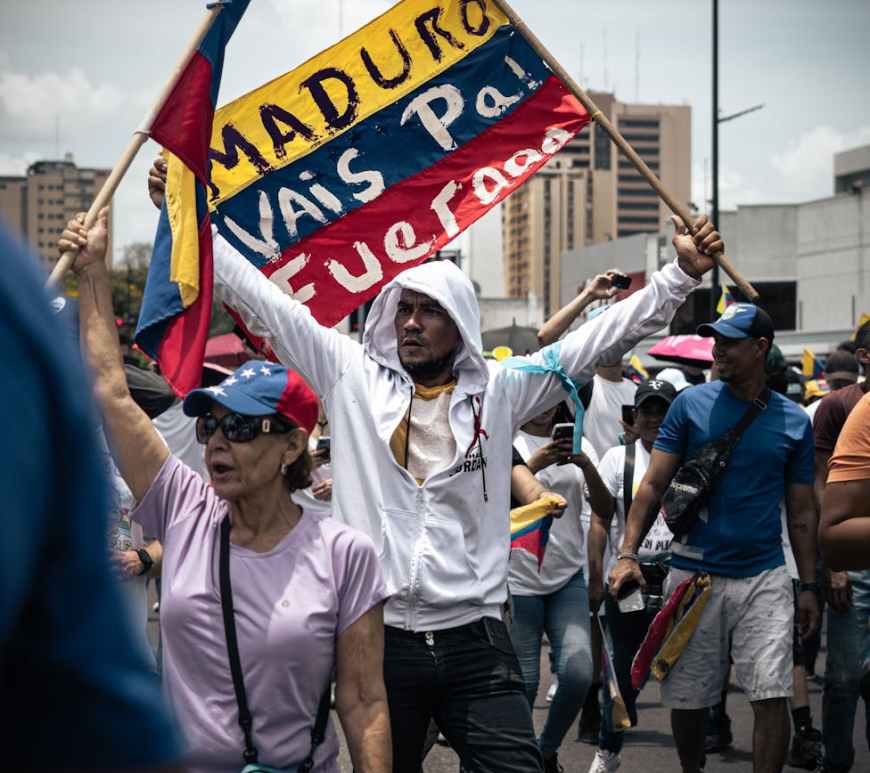
In recent years, Venezuela’s economy and living standards have taken a turn for the worse. It has faced record numbers of inflation, intense poverty and disparities of wealth, as well as plenty of corruption and protests. This may come as a surprise; Venezuela sits on the largest oil reserve in the world and has a plethora of rare ores such as gold and silver. How … Continue reading Venezuela’s Economy

The Paradox of Thrift

The Paradox of Thrift: When Saving Hurts the Economy   Traditionally, saving money is seen as a positive action. Keeping money in reserve for emergencies and potential issues in the future is surely a good thing both for you and for those around you. However, this seemingly responsible and innocent action can have extraordinarily negative consequences for a nation’s economy and growth if savings reach excessively … Continue reading The Paradox of Thrift

The Psychology of Marginal Utility

The first bite is often much more enjoyable than the fifth bite.  We love and experience the way we eat. Everyone knows that the first bite of a snack is like a sweet dream or heaven, the next bite technically still has similar if not the same taste and satisfaction but the fourth or fifth bite is not giving you the same pleasure or satisfaction, … Continue reading The Psychology of Marginal Utility

The Dot-Com Bubble

The late 1990s saw a revolutionary tech boom – the beginning of the internet. It was an era of thrilling innovation and optimism, with a promise of a “new economy” driven by advanced technology changing how things worked. Investors saw an opportunity in each new tech company and website, believing each one would be the next “revolution.”  The psychology behind investing is complex, and many … Continue reading The Dot-Com Bubble

The UK and Global Protectionism

How can the UK respond to global protectionism?  The consequences of protectionism  Since January of this year, $10 trillion [El Pais, 2025] has been wiped from the stock markets by the tariffs placed by the US, threatening to place the global economy in a negative feedback loop as trade restrictions heighten geopolitical tensions, triggering economic fallout among interdependent nations reliant on shared markets and industrial inputs, … Continue reading The UK and Global Protectionism

The Basic Two Sector Model

Economics is the study of complex interactions between different agents of society—individuals, businesses, governments, and the global economy. Economic models make these interactions easier to understand. The most fundamental example is the two-sector model of the circular flow of income, which focuses on how economic activity is conducted through these interactions.   The two-sector model provides the foundation for understanding how income is generated, distributed, and spent. … Continue reading The Basic Two Sector Model

EV Subsidies

This essay considers whether current electric vehicle (EV) subsidy policies are effective in reducing carbon emissions, focusing especially on how consumer behaviour and usage patterns impact net carbon emissions.   There are four different premises and possible situations for buyers who are considering the adoption of EVs. Firstly, households that currently own no vehicle and will purchase an EV. Alternatively a buyer that owns an ICEV (Internal … Continue reading EV Subsidies