

News Briefing – 19/01/2025
UK Economics UK Politics World Economics World Politics Continue reading News Briefing – 19/01/2025
UK Economics UK Politics World Economics World Politics Continue reading News Briefing – 19/01/2025

On August 15, 1947, British colonial rule in India ended. The borders marked by Sir Cyril Radcliffe tore apart British India, displacing over 14 million citizens, hundreds of thousands of whom sought refuge in East Africa, especially Kenya. Kenya later gained independence from Britain in 1963, and since then its economy has seen periods of rapid growth, challenges, and recovery. But to what extent is … Continue reading The Impact of Indian Immigrants on Kenya’s Economy
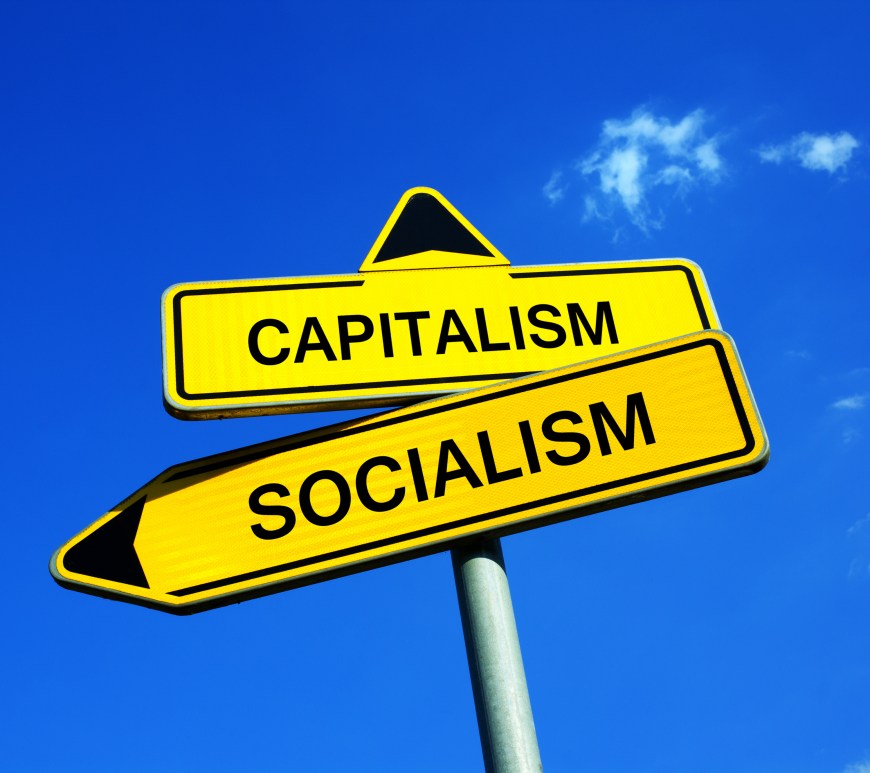
In todays increasingly globalised context, filled with a wide range of different cultures and ideas, it is important to classify and analyse the stratagems of the different economies. Broadly, economists classify these systems into three categories: market economies, command economies and mixed economies. Each system represents a unique approach to organising resources and addressing the needs of its population, reflecting the diversity of economic practices across … Continue reading Exploring Economic Systems

INTRODUCTION Figure 1 – Graph showing how much less productive the UK is than other developed economies The productivity problem in the UK is a pressing issue that has significant implications for economic growth, living standards, and global competitiveness. Productivity, defined as the measure of output per unit of input (typically labour or capital), is crucial for evaluating how efficiently an economy converts resources into … Continue reading UK Productivity – JKP 2024

The Group of 7 (G7), containing the countries of Italy, Canada, France, Germany, Japan, the United States, and the United Kingdom is a political and economic forum made up of some of the world’s most historically significant major economies. However, it is worth noting that the G7 excludes two of the world’s economic giants, China and India, which are both among the top five economies … Continue reading G7: Going, Going, Gone?
UK economics: UK politics: World Economics: World Politics: Continue reading News Briefing – 13/01/2025

The Beginning – Discovering a Foreign Field: Samik Chandarana, now Chief Data and Analytics Officer at JP Morgan, never planned to enter the world of finance. His journey in fact began far away from the trading floors of London, in the vibrant music scene at Manchester University. Deeply involved in the techno genre, by the late 1990s, Samik and his friends even released an album, Loop 82 – The New Style Swing, which can still be found on Spotify today. Although music was his … Continue reading AI and The Future of Finance

Natural disasters bring about economic shocks that extend beyond immediate physical damage. Hurricanes Helene and Milton, which recently hit Florida, disrupted vital industries like energy and trade. These events have had ripple effects that impacted employment, consumer spending, and supply chains within the U.S. Given Florida’s significant economic role, these natural disasters reached beyond the national level, sending shockwaves through global financial markets. Insurance Market … Continue reading How Natural Disasters Can Disrupt Economies: Helene and Milton

Very few incidents in the history of worldwide trade are so curious (and sadly more bizarre) as the 17th century Nutmeg Crisis. When spices have been more than culinary accents, nutmeg was among the most precious goods on the planet. Superstition, speculation and plain financial greed drove European powers to grab this tiny seed as the key to unprecedented wealth. In some way it did … Continue reading The Nutmeg Crisis
UK Economics World Economics UK Politics World Politics Written by Edgar Brown, Shreyas Veturi and Keshav Hajarnavis Continue reading News Briefing – 02/12/2024

 etonomics.com