The legalisation of Sports Betting, for better or worse?

In recent years, the landscape of sports has witnessed a significant shift with the widespread legalisation of sports betting in various regions including Brazil, Italy and Canada. Of course, this shift has come with problems, but the legalisation of sports betting has been able to fund public initiatives and stimulate economic activity throughout the globe. This article aims to cover the positive outcomes of legalised … Continue reading The legalisation of Sports Betting, for better or worse?

Can we solely rely on printed money?

Taxation is the most significant way in which a government receives its income. Last year, the UK government raised around £1,017 billion in tax revenue, accounting for approximately 40% of GDP. A similar trend is seen within governments worldwide, with tax revenue being the primary source of government income. Governments tend to rely so heavily on tax revenue, but it is necessary to consider other … Continue reading Can we solely rely on printed money?

AI and the Workforce

Imagine a world where robots and smart computers work alongside humans, changing the way we do our jobs. Well, that world may come sooner than we think with the rapid development of artificial intelligence (AI). Ever since its invention in the 1950s, AI has been getting smarter and more common in our lives, to the point where it can now interact with humans, such as … Continue reading AI and the Workforce

Why is Saudi Arabia pouring billions into Sports?

In recent years, Saudi Arabia has made waves in the sporting world, signing numerous football superstars like Ronaldo and Neymar while also hosting golf icons on the LIV golf tour. The substantial salaries offered make these deals hard to resist. But what motivates these significant investments? Saudi Arabia’s influence on sport has sparked global controversy, with many claiming that all of this will ‘calm down … Continue reading Why is Saudi Arabia pouring billions into Sports?

The Trumps Strike Back, but why?

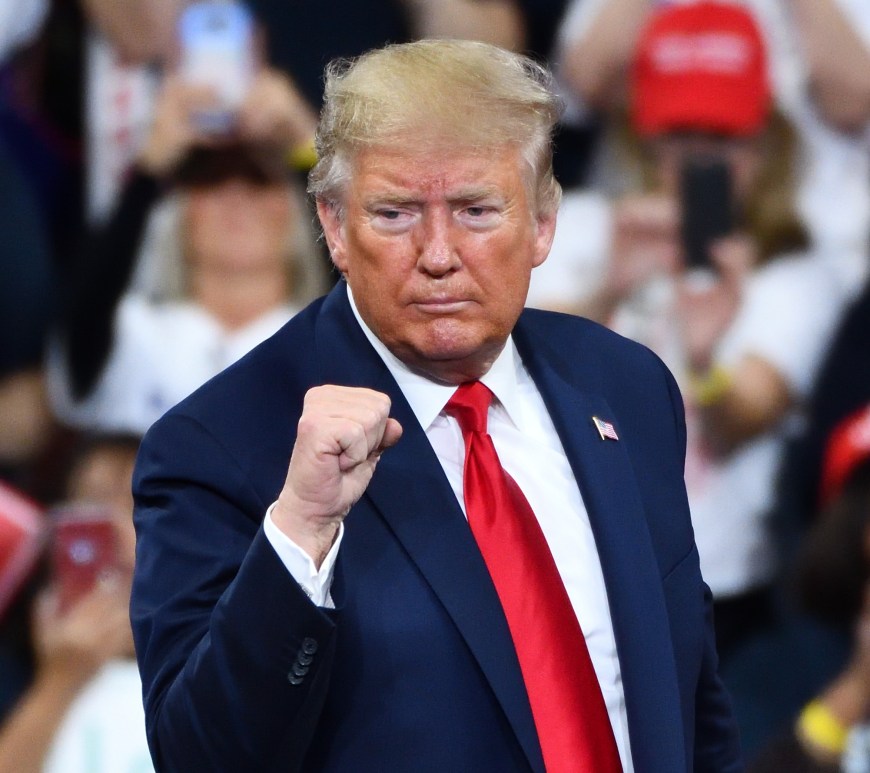
Populism – the ideology which divides most of an electorate against some ‘other’ elite – is primarily caused by economic marginalisation (the denial of an equal opportunity to participate in a domestic economy).  To justify this, I will explain how pertinentmacroeconomic trends throughout the turn of the millennium have exacerbated this issue.  Additionally, I will examine a panoply of additional theses for the rise of populism, and demonstrate why, although valid, they are not as pivotal as economic marginalisation in this regard. The best evidence … Continue reading The Trumps Strike Back, but why?

How can we control inflation?

Inflation, a persistent rise in the general level of prices, poses significant challenges to an economy. Controlling inflation is crucial for maintaining economic stability and safeguarding consumers’ purchasing power. High and persistent inflation has been a significant global issue over the past 18 months, with global inflation reaching 9.3% in October 2022. The UK, however, has been hit especially hard by inflation, with price increases … Continue reading How can we control inflation?

Do ethical companies deserve excess profits?

The Roman writer Publilius Syrus once wrote that “Everything is worth what its purchaser will pay for it”. This encapsulates the businessman’s mindset on a free market, as producers seek to market their product at the highest price consumers are willing to pay. On the other end of the transaction, the concept of homo economicus teaches us that the consumer always aims to maximise utility from a purchase … Continue reading Do ethical companies deserve excess profits?

Green Bonds: Financing a Sustainable Future

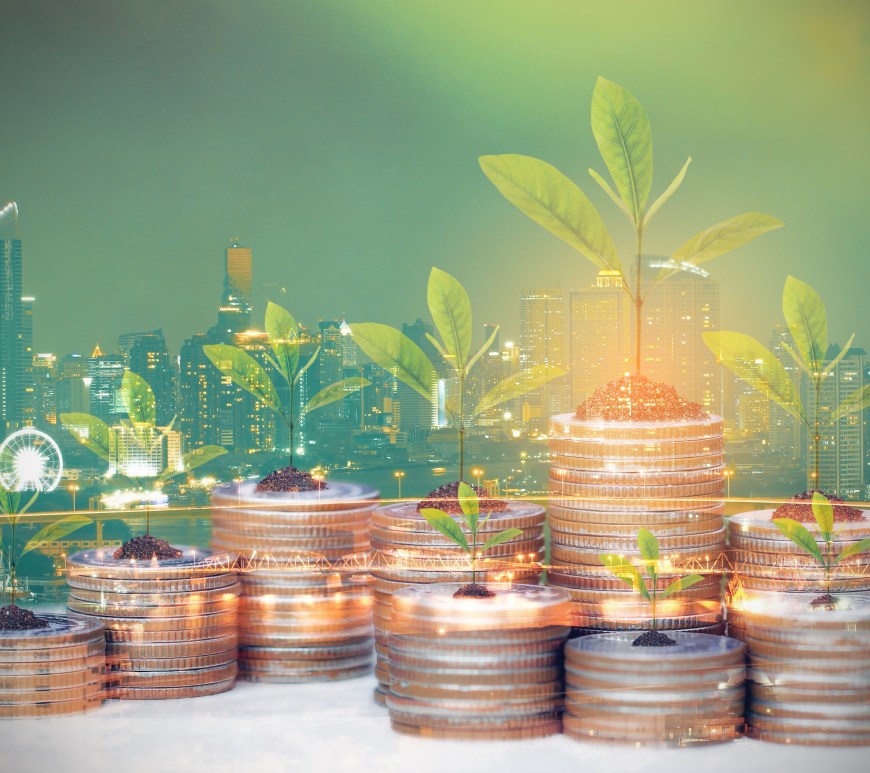
In a world increasingly concerned with environmental sustainability and the impact of climate change, innovative financial instruments (a monetary contract which can be traded e.g. a stock, bond, derivative) have recently emerged as effective tools to fund projects and initiatives aimed at mitigating environmental damage. Of these instruments, green bonds, have gained prominence as a means to raise capital for projects with positive environmental benefits. … Continue reading Green Bonds: Financing a Sustainable Future

African Economies : How have oil and corruption affected Nigeria’s economy?

Nigeria is one of Africa’s most influential nations and holds significant power both economically and geopolitically. With a population of approximately 225 million people, it’s not only the most populated country in Africa but also has the continent’s largest economy. In 2022, Nigeria’s GDP reached an impressive $477.39 billion. Meanwhile, the country has been grappling with pressing challenges of poverty, crime, corruption, and overreliance on … Continue reading African Economies : How have oil and corruption affected Nigeria’s economy?

African Economies :  Zimbabwe’s Journey from a 100 Trillion Dollar Bill to Economic Recovery

Zimbabwe has captured global attention due to its serious economic struggles. Pre-independence, Zimbabwe’s economy relied heavily on agriculture and the stable Rhodesian Dollar. However, post-independence, it has encountered the challenges of hyperinflation, land reform, and political instability. These difficulties have had a long-lasting impact on Zimbabwe’s economy, making it difficult for locals to trust the local currency, and has piqued the interest of the global … Continue reading African Economies :  Zimbabwe’s Journey from a 100 Trillion Dollar Bill to Economic Recovery