OPEC and the Changing Oil Market

Impact on OPEC of changes in the market for Oil  According to The Organisations of Petroleum Exporting Companies (OPEC), just under 80% of the world’s crude oil reserves are located within OPEC nations. Countries such as China and India rely heavily on OPEC for a steady flow of oil. This has fuelled significant growth in industry and technology seen in these nations over recent years. … Continue reading OPEC and the Changing Oil Market

CBCDs and Digital Currency

Globally people are progressively shifting away from cash and adopting digital payments in their day to day life. In the last decade or so, the UK has seen a significant surge in mobile banking, contactless cards and fintech platforms such as Apple Pay and PayPal. However, the dependence on private businesses presents challenges of access as well as control. Central Bank Digital Currencies (CBDCs) are … Continue reading CBCDs and Digital Currency

Trump and Bitcoin

Trump and Bitcoin: How his policies and influence shape the Crypto market  INTRODUCTION:  Bitcoin is a popular cryptocurrency created in 2008 by Satoshi Nakamoto (whose actual identity remains unknown). It is the first decentralised cryptocurrency, based on a free-market ideology. Put simply, when you buy Bitcoin, the transaction is noted in the blockchain, which is a digital ledger that ensures transparency and verification of transactions. … Continue reading Trump and Bitcoin

Catastrophe Bonds

An Introduction to Catastrophe Bonds and the L3C   Catastrophe bonds (or cat bonds) are high-yield debt instruments used to raise money for companies in the insurance industry in the event of a natural disaster. A bond is a financial instrument in which the issuer (a government or company) sells bonds to investors, which gives the issuer capital, raising money. They pay the investor with regular … Continue reading Catastrophe Bonds

Shareholders and the Dutch East India Company 

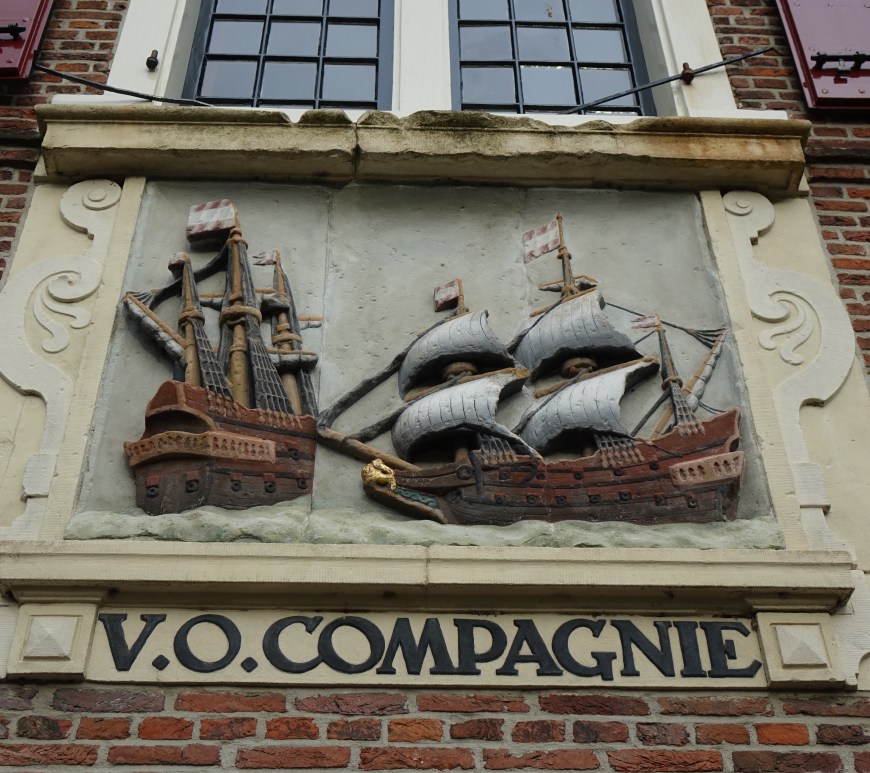
During the early 17th century, the Dutch found themselves in increasingly competitive waters concerning their early dominance of maritime trade. The English, Portuguese and Spanish were all threats to the diminishing share of the Netherlands in the lucrative spice trade. Something had to be done. Yet how would a single organisation gather the huge amounts of capital required for such an undertaking? Creating a corporation … Continue reading Shareholders and the Dutch East India Company 

AI and The Future of Finance

The Beginning – Discovering a Foreign Field: Samik Chandarana, now Chief Data and Analytics Officer at JP Morgan, never planned to enter the world of finance. His journey in fact began far away from the trading floors of London, in the vibrant music scene at Manchester University. Deeply involved in the techno genre, by the late 1990s, Samik and his friends even released an album, Loop 82 – The New Style Swing, which can still be found on Spotify today. Although music was his … Continue reading AI and The Future of Finance

The Nutmeg Crisis

Very few incidents in the history of worldwide trade are so curious (and sadly more bizarre) as the 17th century Nutmeg Crisis. When spices have been more than culinary accents, nutmeg was among the most precious goods on the planet. Superstition, speculation and plain financial greed drove European powers to grab this tiny seed as the key to unprecedented wealth. In some way it did … Continue reading The Nutmeg Crisis

Robocab Revolution

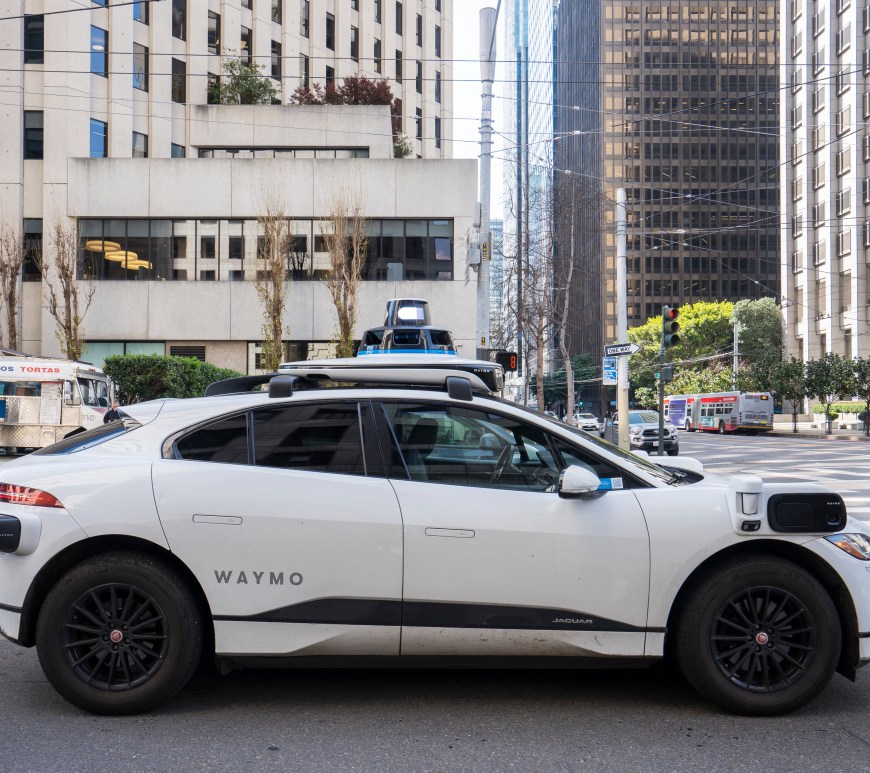
The anticipated robotaxi platform from Tesla represents far more than an advancement in autonomous vehicle technology—it stands as a direct competitive threat to established rideshare leaders Uber and Lyft. Through its advancing Full Self-Driving (FSD) capabilities, which Tesla claims will soon reach widespread implementation, the company continues its mission to transform transportation through automation. The emergence of fully autonomous services poses sweeping implications for traditional … Continue reading Robocab Revolution

The Revival of US Protectionism

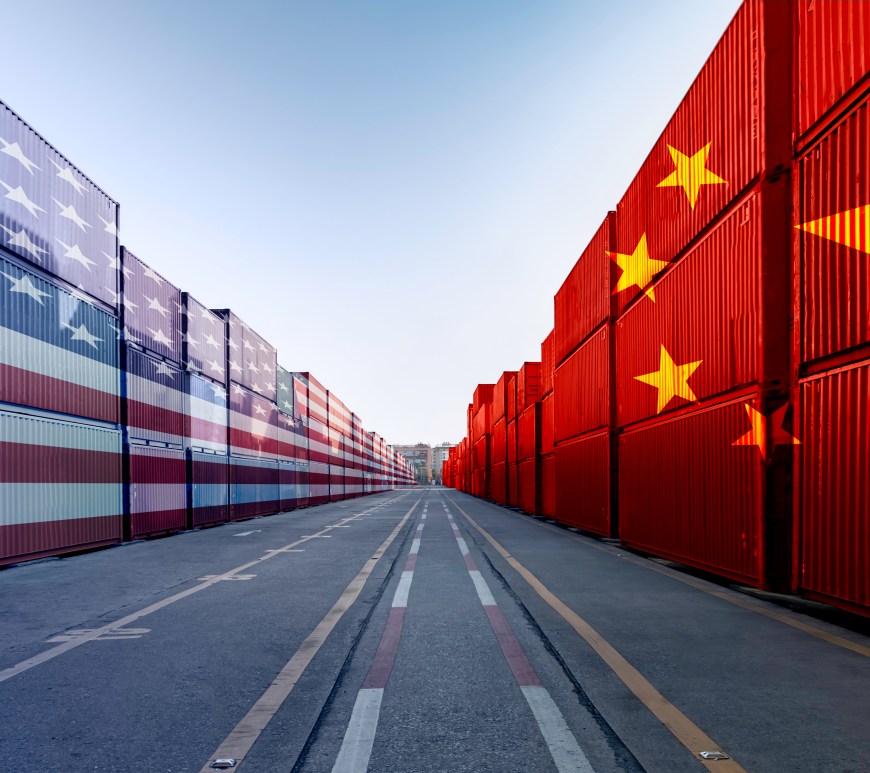
Throughout American history, trade policy in the United States has oscillated between periods of protectionism and free trade. Protectionism is a form of economic policy that involves reducing international trade through the imposition of tariffs and other barriers to imported goods in order to support domestic production. Tariffs, the most widely known form of such a policy, are taxes on imported goods that a government … Continue reading The Revival of US Protectionism

The London Rent VS Buy Divide

London, a city celebrated for its rich history, vibrant culture, and world-class attractions, also faces a stark reality: a housing crisis. Property prices have skyrocketed 454% since 1996, far outpacing average salary growth of just 109%; London is now also the 4th most expensive city for expats. Homeownership, once a cornerstone of British identity, is now out of reach for most young Londoners. Only the … Continue reading The London Rent VS Buy Divide