Tax Evasion and its Motives

Taxation is the backbone of many countries, funding vital infrastructures such as national defense and social security. Yet, a surprising number of people resent the sums of money that are taken from their salary and resort to tax evasion (deliberately underreporting their earnings) through a variety of methods. An investigation from Bloomberg shows that the richest 1% of Americans, a country widely known for its economic and political … Continue reading Tax Evasion and its Motives

The Impact of Indian Immigrants on Kenya’s Economy

On August 15, 1947, British colonial rule in India ended. The borders marked by Sir Cyril Radcliffe tore apart British India, displacing over 14 million citizens, hundreds of thousands of whom sought refuge in East Africa, especially Kenya. Kenya later gained independence from Britain in 1963, and since then its economy has seen periods of rapid growth, challenges, and recovery. But to what extent is … Continue reading The Impact of Indian Immigrants on Kenya’s Economy

G7: Going, Going, Gone?

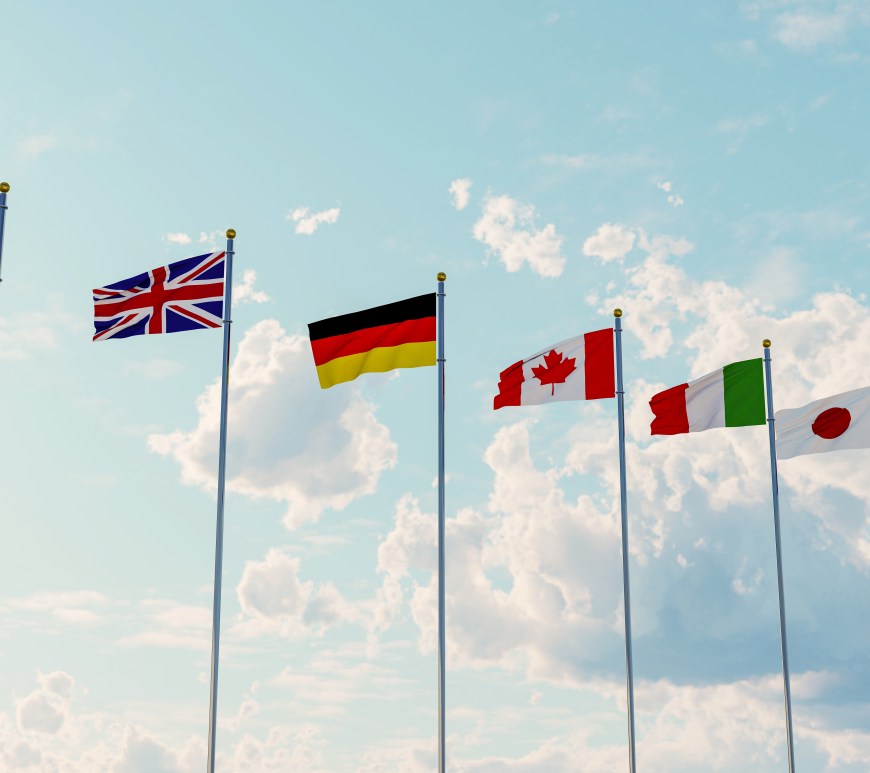
The Group of 7 (G7), containing the countries of Italy, Canada, France, Germany, Japan, the United States, and the United Kingdom is a political and economic forum made up of some of the world’s most historically significant major economies. However, it is worth noting that the G7 excludes two of the world’s economic giants, China and India, which are both among the top five economies … Continue reading G7: Going, Going, Gone?

The Revival of US Protectionism

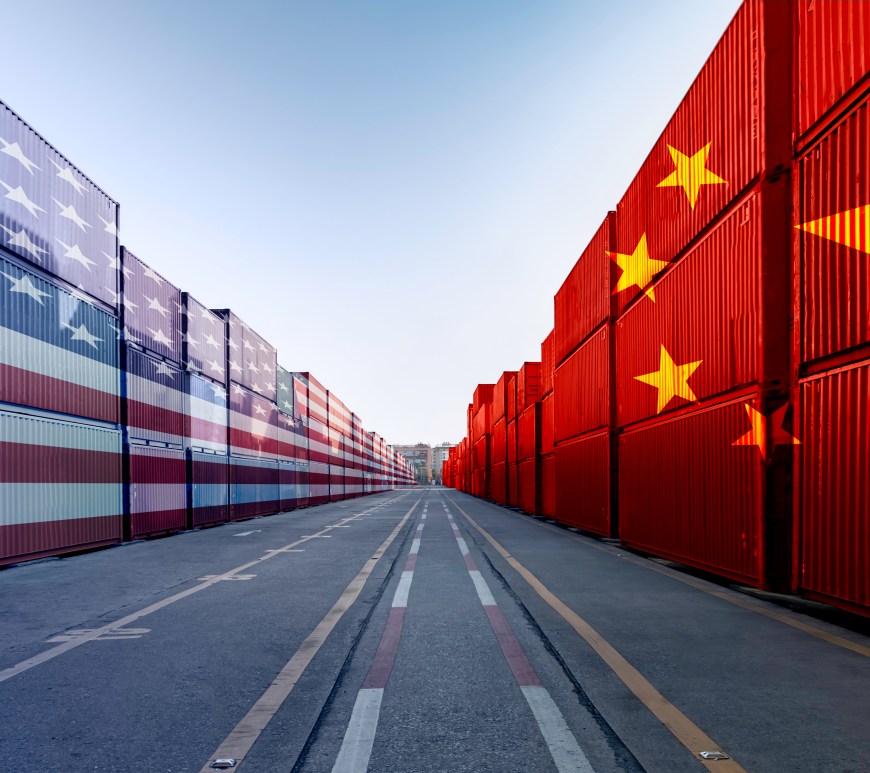
Throughout American history, trade policy in the United States has oscillated between periods of protectionism and free trade. Protectionism is a form of economic policy that involves reducing international trade through the imposition of tariffs and other barriers to imported goods in order to support domestic production. Tariffs, the most widely known form of such a policy, are taxes on imported goods that a government … Continue reading The Revival of US Protectionism

Room for Industrial Policy?

“I’ll be the greatest jobs president that God ever created.” – Donald J. Trump The arrival of Donald Trump into the White House initiated a new wave of industrial policy in the West. Prior to Mr. Trump it was the 2008/09 recession that ushered in Mr. Obama’s economic nationalism: “Our first priority is making America a magnet for new jobs and manufacturing”, and before that … Continue reading Room for Industrial Policy?

The Impact of the Net-Zero transition on The World Economy and Global Strategies

At the beginning of 2020, the value of sustainable investment in major financial markets globally stood at $35.3trillion. According to the Global Sustainable Investment Alliance it accounts for 36% of all professionally managed assets across the US, Canada, Japan, Australasia and Europe. Governments and companies are increasingly committing to climate action. The world is moving towards a net-zero emissions future, and this transition is expected … Continue reading The Impact of the Net-Zero transition on The World Economy and Global Strategies

The Economics of Coffee

Coffee has become an indispensable drink throughout the world – over 2.25 billion cups of coffee are consumed across the globe every day. The coffee industry provides tens of millions of jobs for many, from manufacturing and producing the coffee and coffee beans, over 90% of which takes place in developing countries in regions such as South America, to selling the coffee in stores. In … Continue reading The Economics of Coffee

Fueling Fortunes: The Economics of Formula One

“They say Formula One is a market, which it can’t be, obviously. Our market is independent – it’s a sport.” – Bernie Ecclestone Overview With over 75 million people tuning in to watch each riveting race, Formula One (F1) is by far the most popular racing league worldwide. The season usually runs from March to November, with races occurring on a bi-weekly basis. Formula One … Continue reading Fueling Fortunes: The Economics of Formula One

AI and the Workforce

Imagine a world where robots and smart computers work alongside humans, changing the way we do our jobs. Well, that world may come sooner than we think with the rapid development of artificial intelligence (AI). Ever since its invention in the 1950s, AI has been getting smarter and more common in our lives, to the point where it can now interact with humans, such as … Continue reading AI and the Workforce

How can we control inflation?

Inflation, a persistent rise in the general level of prices, poses significant challenges to an economy. Controlling inflation is crucial for maintaining economic stability and safeguarding consumers’ purchasing power. High and persistent inflation has been a significant global issue over the past 18 months, with global inflation reaching 9.3% in October 2022. The UK, however, has been hit especially hard by inflation, with price increases … Continue reading How can we control inflation?