From Barter to Bills: The Evolution of Money

The word money emerged from the Latin ‘Moneta’, borrowed from the temple of Juno Moneta, the site of the then mint of Ancient Rome. It was Juno who constituted the Roman society’s paradigm of wealth. In this society where transactions were already conducted over monetary means, money was considered a true representation of its intrinsic value. That is, its worth was justified by the materials it was minted … Continue reading From Barter to Bills: The Evolution of Money

Sticky Wages and Prices

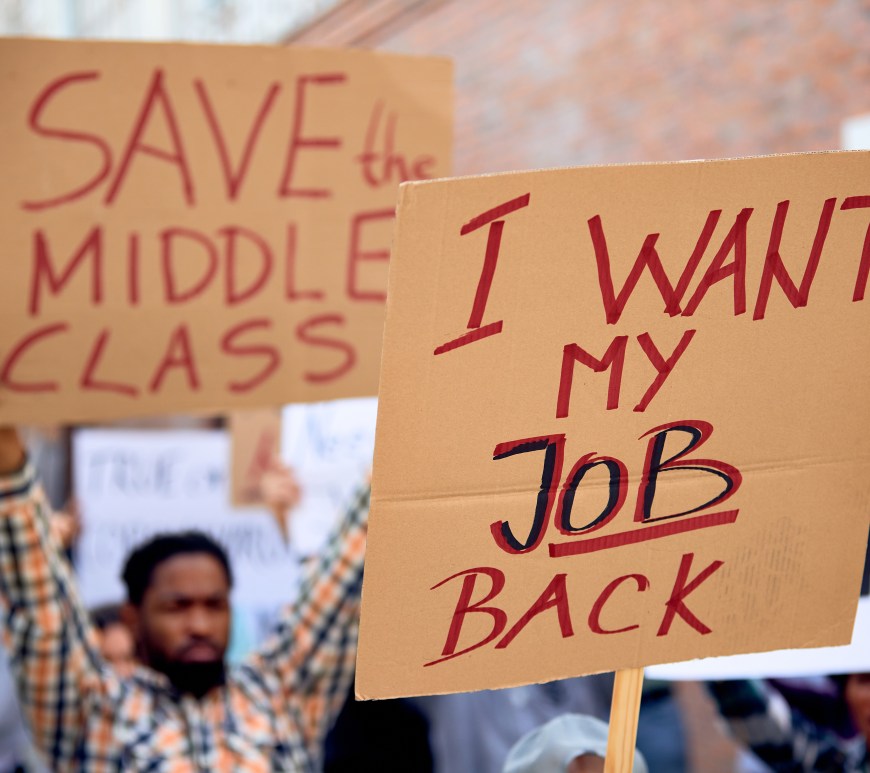
In times of economic uncertainty, why do wages and prices often remain ‘rigid,’ even as demand drastically falls or spikes? This phenomenon, known as ‘stickiness,’ is a central concept in Keynesian economics. The father of this section of economics, John Maynard Keynes, argued that without government intervention, mainly fiscal or monetary policies, the rigidity of prices can ’trap’ economies in high unemployment and slow growth … Continue reading Sticky Wages and Prices

The Revival of US Protectionism

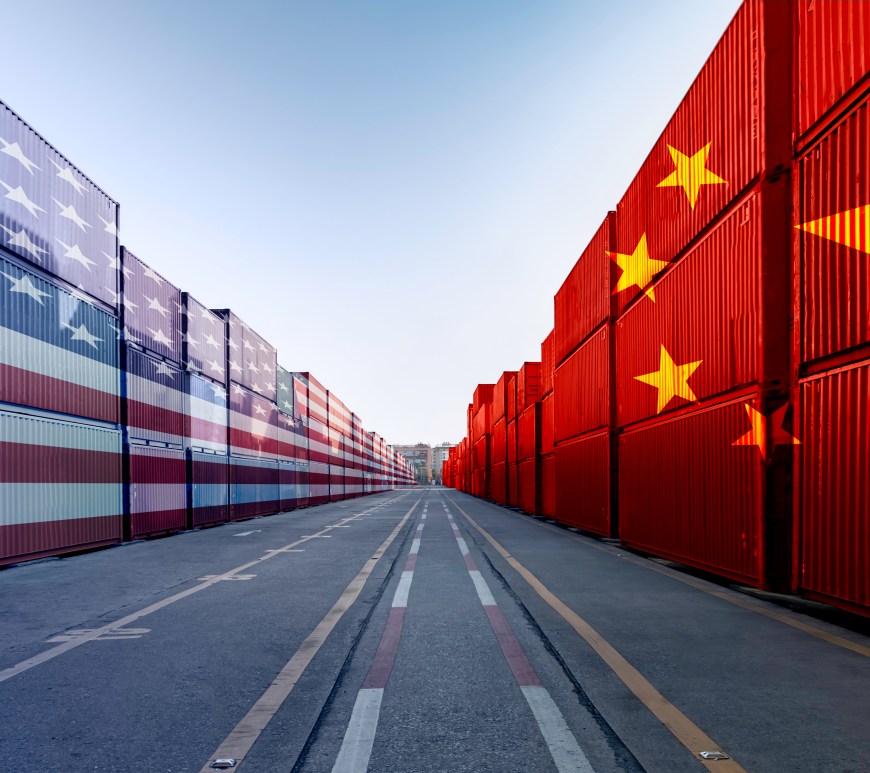
Throughout American history, trade policy in the United States has oscillated between periods of protectionism and free trade. Protectionism is a form of economic policy that involves reducing international trade through the imposition of tariffs and other barriers to imported goods in order to support domestic production. Tariffs, the most widely known form of such a policy, are taxes on imported goods that a government … Continue reading The Revival of US Protectionism

The Pricing of Fine Art

The world of fine art presents a curious economic paradox: pieces that might seem to hold little intrinsic value often fetch astronomical sums, confounding the traditional relationship between cost and value. This disparity reflects the influence of social and cultural forces that determine the price of art in ways that deviate from standard economic principles. This article will investigate the factors that affect the art … Continue reading The Pricing of Fine Art

UK Productivity – JKP 2024

It is no secret that the U.K. economy is not in a great state: A recession (three consecutive quarters of economic contraction) was declared after the last fiscal quarter of 2023, following a decade of borderline economic stagnation, and with annual GDP growth (a measure of all the goods, and services produced) no greater than the two per cent pre-COVID[1] rate. The picture painted by the … Continue reading UK Productivity – JKP 2024