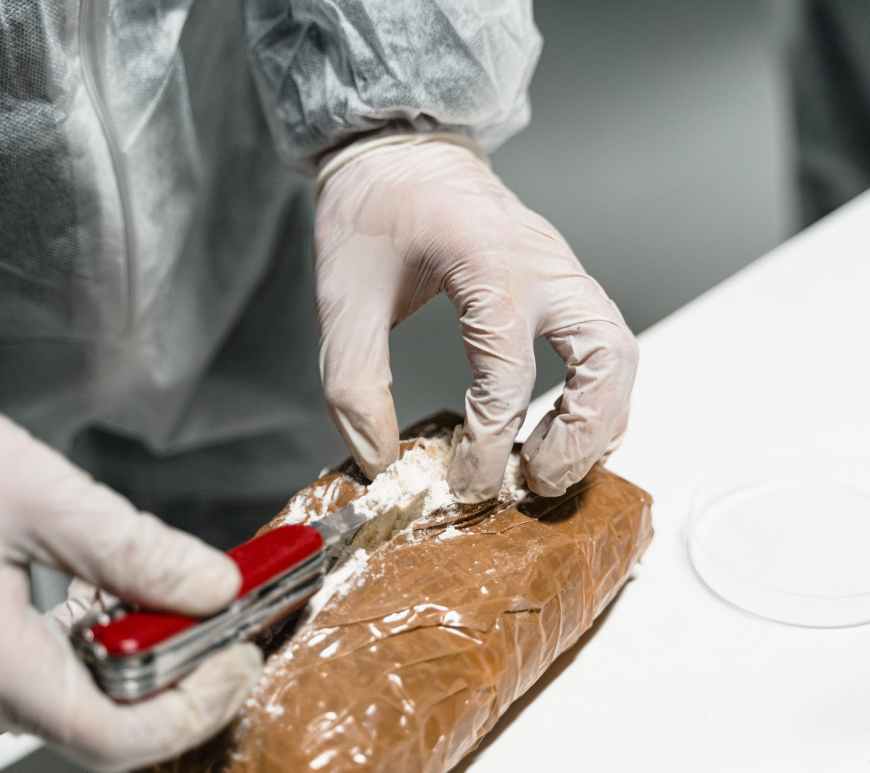
Colombia’s Cocaine War: the industry that pays

Colombians earn more from the drug trade than any other nationality in the western hemisphere. Since 2000, the United States has devoted part of its $11.6 billion in Colombian aid to eradication programs in an attempt to reduce the amount of processed cocaine reaching US shores. Despite this, cocaine has been getting cheaper in the United States, coca fields keep expanding, violence continues to worsen, … Continue reading Colombia’s Cocaine War: the industry that pays


The Regulations in NYC’s Taxi Market

In 1937, New York City introduced the taxi medallion. Taxi industries in cities have long been closely regulated, as people fear that without official standards, taxi drivers would either face unreasonable job insecurity, or taxi companies would be able to act as price discriminating monopolists, thereby reducing consumer welfare derived from taxis to zero. The taxi medallion is a licence to operate in New York … Continue reading The Regulations in NYC’s Taxi Market

Solution to the moral hazards of microfinance?

Microfinance is commonly regarded as the promise of innovative, cost-effective paths to poverty reduction and social change.  However, we are not living in a perfectly competitive credit market, so downsides such as moral hazard and asymmetric information that tend to create inefficiency make the program less effective, or even counterproductive in certain cases. So why don’t we ask people to help others and do the right … Continue reading Solution to the moral hazards of microfinance?