

The Icarus Paradox: Success will burn you
From Greek mythological characters to Fortune 500 executives, it seems as though no human is immune to complacency. Why? Continue reading The Icarus Paradox: Success will burn you
Economics-driven content, perfect for students and teachers alike. Highly accessible and open to all.
From Greek mythological characters to Fortune 500 executives, it seems as though no human is immune to complacency. Why? Continue reading The Icarus Paradox: Success will burn you

In 1974, Daniel Kahneman and Amos Tversky exposed a blatant fault in our judgement under uncertainty Continue reading Feminism, gambling and the fat-free
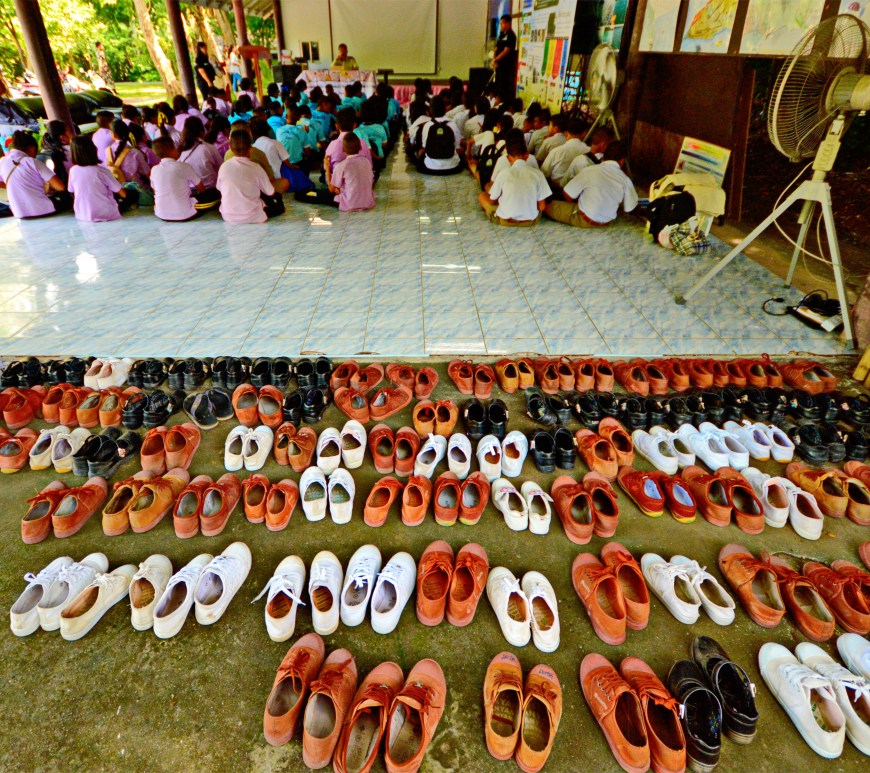
An effective way of doing charity or just a shrewd advertising campaign? Continue reading Why chucking shoes at the problem won’t fix the economy

What can twenty toddlers teach us about economic recessions? A lot more than you may think Continue reading Babies = Depression

The Nobel Prize-winning economist, Maurice Allais, posed this famous paradox in a 1953 Econometrica article. It led to the discovery of one of the most significant notions in behavioural economics today: loss aversion. Continue reading The Allais Paradox: Explained

Microfinance is commonly regarded as the promise of innovative, cost-effective paths to poverty reduction and social change. However, we are not living in a perfectly competitive credit market, so downsides such as moral hazard and asymmetric information that tend to create inefficiency make the program less effective, or even counterproductive in certain cases. So why don’t we ask people to help others and do the right … Continue reading Solution to the moral hazards of microfinance?

North Sea oil supplies are running out. Peak oil extraction has been surpassed. The government’s policy of heavily subsidising renewable energy has cost the taxpayer billions and pushed household electricity bills up by £17 a year on average. The pressure to meet targets for carbon emission reductions has left the government forcing the closure of all coal power stations by 2025. Without a plausible reaction … Continue reading The UK is facing an energy crisis

Duflo and Banerjee’s Poor Economics is a developmental economics book which aims to change the way we think about alleviating poverty in developing countries, shifting our focus from the ‘big questions’ and ‘big policies’ towards evidence-based changes and nudges at the margin. It does this by clearly establishing the conditions in which the poor live and how they react to certain changes in their environment, … Continue reading “Poor Economics” by Duflo and Banerjee

The European Union has set the target for the energy consumption of all it’s member states to be 20% renewable by 2020. While currently Brexit is being negotiated, in 2015, the UK was given its own special target of 15% because of it’s its “low starting point”. The UK Great Britain has consistently lagged behind its European counterparts, ranking 24th out of 28 neighbouring states … Continue reading To burn or not to burn? Fuelling the future
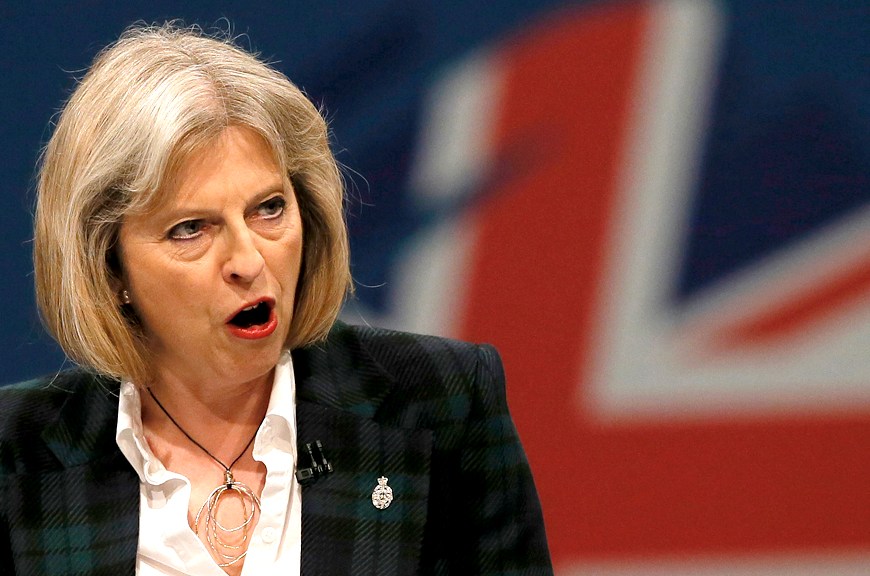
The case for a cap on energy prices has arisen after the ‘big six’ energy companies raised prices by up to 15% earlier this year, even alongside low and falling wholesale prices. Although these have been justified by the energy companies as the result of being forced into generating renewable energy, it has not been perceived in that light by the general public, making the pledge … Continue reading Theresa May’s problematic pledge to cap energy prices


 etonomics.com